Walk the supplement aisle and the antioxidant claims are everywhere. "Powerful antioxidants for prostate." "Cellular protection." "Free radical defense." Most of it is marketing built on flimsy mechanism papers, not actual prostate trials.
Here's what the actual evidence says — and what to skip. Built around the four antioxidants with real prostate tissue data, not in vitro assays.
Why Oxidative Stress Matters for the Prostate
The prostate is metabolically active tissue with a higher-than-average exposure to oxidative byproducts. As men age, two things happen simultaneously:
- Antioxidant defense weakens. Glutathione production drops. Superoxide dismutase activity falls. The cell’s ability to neutralize free radicals degrades.
- Oxidative load increases. Inflammation, environmental exposures, and metabolic shifts produce more reactive oxygen species (ROS) than the prostate can handle.
The result is chronic low-grade oxidative stress in prostate tissue — which drives BPH progression, fuels inflammation that causes urinary symptoms, and contributes to cellular DNA damage over time.
This isn’t speculation. It’s measured in prostate biopsy samples and validated in dozens of mechanistic studies.
The fix isn’t “more antioxidants” indiscriminately. It’s a balanced protocol of the four that actually move the needle in prostate tissue.
The Antioxidant Protocol That Actually Has Evidence
1. Lycopene (10–30 mg daily)
Lycopene is the carotenoid that gives tomatoes their red color. It accumulates preferentially in prostate tissue — meaning ingested lycopene actually concentrates where you want it.
Evidence: The Health Professionals Follow-Up Study tracked 47,365 men. Those with the highest lycopene intake had 21% lower BPH risk and significantly lower advanced prostate cancer risk. A meta-analysis of 26 studies confirmed an inverse dose-response relationship between lycopene and prostate cancer risk.
Form that works: Tomato extract or oleoresin standardized to 10–15% lycopene. Synthetic lycopene works less well — the natural form comes with cofactors.
2. Zinc (15–30 mg daily)
The prostate has the highest zinc concentration of any soft tissue in the body. Zinc concentrations drop sharply in BPH and even more in prostate cancer tissue. Restoring adequate zinc supports prostate cell health and inhibits 5-alpha reductase.
Evidence: Multiple cohort studies show low dietary zinc intake correlates with worse BPH symptoms. Supplementation at 15–30 mg daily restores tissue levels in deficient men. Caution: doses above 50 mg long-term suppress copper and immune function.
Form that works: Zinc picolinate or zinc citrate. Avoid zinc oxide (poorly absorbed) and avoid mega-dose lozenges.
3. Mixed Tocopherols (Vitamin E, balanced form)
This is where most supplements get vitamin E wrong. Synthetic alpha-tocopherol alone — the form used in the SELECT trial that showed slightly increased prostate cancer risk — is not what prostate tissue needs. Natural mixed tocopherols (alpha + beta + gamma + delta) work differently and have a better safety profile.
Evidence: Gamma-tocopherol specifically inhibits prostate cancer cell proliferation in tissue studies. Mixed tocopherols from food sources show inverse association with prostate disease in observational data. The “vitamin E is bad for prostate” headline misrepresents the SELECT findings.
Form that works: Natural mixed tocopherols (look for d-alpha + d-gamma + d-delta on the label). Avoid dl-alpha-tocopherol (synthetic, isolated).
4. Selenium (100–200 mcg daily, from food forms)
Selenium is a cofactor for glutathione peroxidase, one of the prostate’s main antioxidant defenses. Selenium status is strongly inversely related to prostate cancer risk in most populations.
Evidence: Cohort data from the Nutritional Prevention of Cancer trial and others show 100–200 mcg daily of food-form selenium correlates with lower prostate disease risk. SELECT trial used synthetic selenomethionine at 200 mcg as monotherapy and showed neutral results.
Form that works: Selenomethionine or selenium yeast at 100–200 mcg. Avoid sodium selenite. Cap at 200 mcg total intake including diet — Brazil nuts alone can hit this.
"The mistake men make is thinking 'more antioxidants = more protection.' The prostate doesn't work that way. What matters is balanced coverage of the few nutrients that actually accumulate in prostate tissue — and avoiding the mega-dose single-antioxidant traps."
— Editorial note on the SELECT trial interpretation
Where ProstaVive Fits in the Antioxidant Protocol
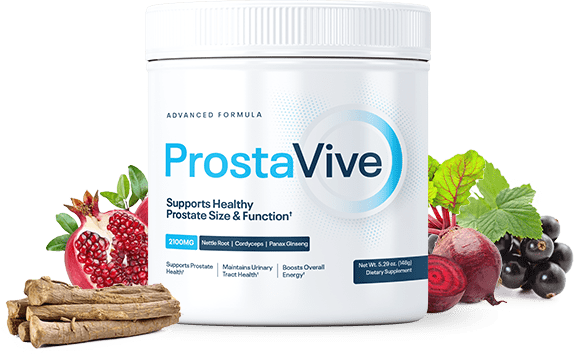
ProstaVive
- Anti-inflammatory botanicals (Saw Palmetto, Pygeum, Nettle)
- Boron + KSM-66 + Tongkat Ali for hormonal balance
- Pairs cleanly with food-source antioxidants — no overlap, no overdose
ProstaVive is built on the botanical anti-inflammatory side of prostate care — saw palmetto, pygeum, nettle root — which works through different pathways than direct antioxidants. The two approaches are complementary, not redundant.
A practical protocol many men use:
- Daily food sources of lycopene (cooked tomato), zinc (oysters, beef, pumpkin seeds), vitamin E (almonds, sunflower seeds), selenium (1–2 Brazil nuts)
- Plus a targeted botanical formula like ProstaVive for the structural side (DHT, inflammation, bladder function)
If your diet lacks consistent antioxidant food sources, a separate clean multivitamin with mixed tocopherols, lycopene, and selenium fills the gap — without overlapping with ProstaVive.
What to Skip
The supplement aisle is full of antioxidants with marketing claims and no prostate-specific evidence:
- ❌ Mega-dose vitamin C (500+ mg) — no prostate benefit, may cause kidney stress
- ❌ Standalone CoQ10 for prostate — heart benefits real, prostate evidence thin
- ❌ “Prostate detox” antioxidant blends — no real mechanism for prostate “detox”
- ❌ Astaxanthin alone for prostate — interesting molecule, but human prostate trials are limited
- ❌ Resveratrol at any standard supplement dose — bioavailability is too low for meaningful effect
Save your money. Stick to the four with real evidence.
Want to Compare Other Buyer’s Guides?
For the full prostate supplement comparison, see Top 5 Prostate Supplements for BPH in 2026. If you want to understand specific botanical mechanisms, Stinging Nettle Root for BPH: Standalone or Combination Ingredient? covers one of the foundational ingredients in depth.
Final Take: Balance Beats Mega-Dose
The antioxidant lesson from prostate research is consistent across decades of trials: balance and moderation outperform mega-dose single ingredients. Lycopene + zinc + mixed tocopherols + selenium at modest, food-relevant doses — paired with a botanical foundation that handles the structural side — is the protocol that actually holds up to scrutiny.
ProstaVive isn’t an antioxidant pill. It’s the botanical anti-inflammatory foundation that pairs with a balanced antioxidant intake to cover the full prostate health picture.
Build the Botanical Side of Your Prostate Protocol
Pair a balanced antioxidant intake with ProstaVive's 8-botanical formula — the anti-inflammatory and structural foundation prostate health needs.
Get Your Discount →